Curious what daily life really feels like near the center of Canton? If you are thinking about moving closer to the city’s historic heart, you probably want more than a map view. You want to know how the area moves, what is nearby, and what kind of routines it supports. This guide will help you picture life in Canton’s core neighborhoods and what stands out from a real-world, day-to-day perspective. Let’s dive in.
Canton’s core has a distinct feel
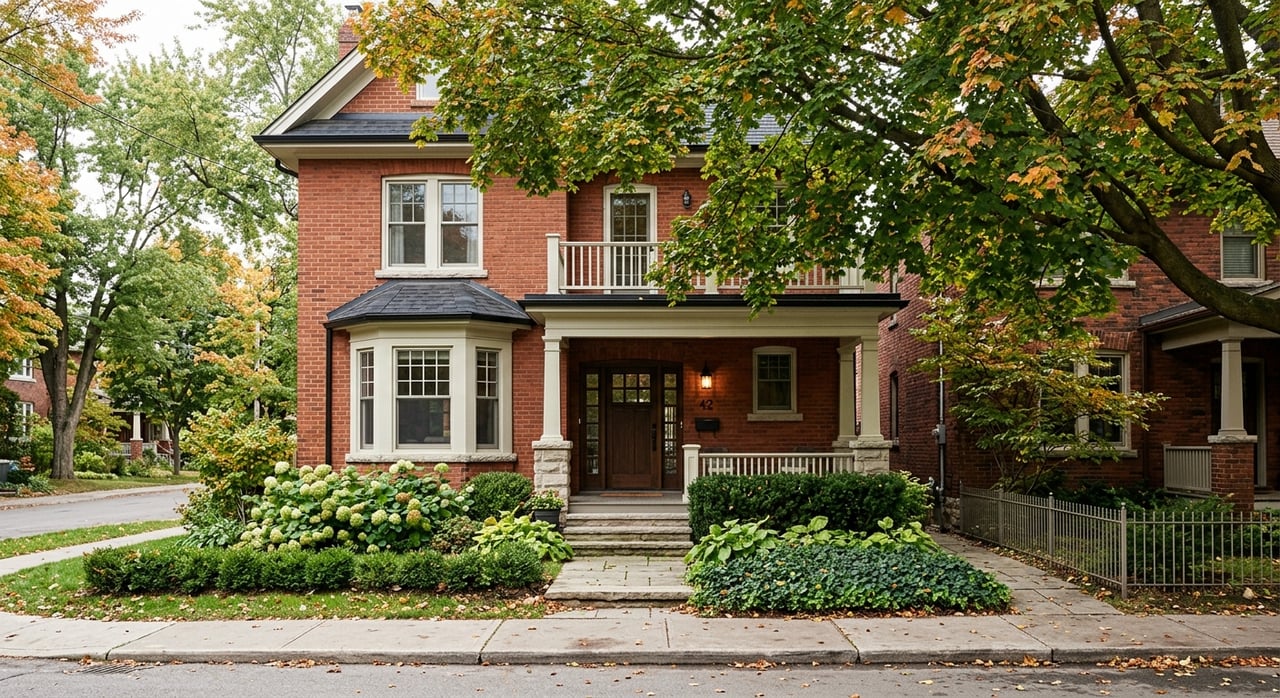
Canton’s core neighborhoods are centered around downtown Canton and the nearby historic districts that connect to it. This part of the city has an older commercial and residential character, shaped in part by places like the Upper Downtown Canton Historic District along Market Avenue and the Ridgewood historic district.
That matters because the area does not feel like a brand-new downtown built all at once. Instead, it feels layered. You get historic buildings, established streets, and a city center that blends everyday living with culture, events, and civic spaces.
Downtown life is active and walkable
One of the biggest draws in Canton’s core is how much activity is concentrated in a relatively compact area. Centennial Plaza sits in the heart of downtown and serves as a public park, monument, amphitheater, and restaurant space.
According to the city, Centennial Plaza hosts concerts, theatrical showcases, movies, festivals, and other community programming. If you live nearby, that can create a rhythm where weeknights, weekends, and event evenings feel more active than you might expect in a mid-sized city center.
Downtown is also designed for practical outings, not just special events. The city points to on-street and off-street metered parking, structured lots, parking decks, and access to SARTA public transportation.
Once you are parked, the area tends to feel compact and easy to explore on foot. The downtown DORA district also supports an evening-out pattern where dining, events, and short walks between destinations can all fit into one outing.
Arts are part of everyday living
If you enjoy living near creative spaces, Canton’s downtown arts scene is a major part of the neighborhood experience. Visit Canton describes the Downtown Canton Arts District as home to seven galleries, 22 artist studios, five live music venues, specialty shops, fine restaurants, and public art.
This is not just a one-building arts presence. It is woven into the district itself, which can make the area feel visually interesting and socially active on a regular basis.
Cultural venues shape the calendar
Several arts institutions give the core a steady cultural rhythm. The Cultural Center for the Arts is home to the Canton Museum of Art, Canton Ballet, and Cultural Center Theater.
The Canton Palace Theatre also describes itself as a cornerstone of the Downtown Canton Arts District. For residents, that means performances, exhibits, and community arts programming are not occasional extras. They are part of what defines the area.
First Friday adds a recurring local tradition
The Canton Museum of Art highlights downtown’s monthly First Friday celebration along with local restaurants, live music, and the growing arts district. That kind of recurring event can make a neighborhood feel connected and familiar over time.
Instead of waiting for a few major holidays each year, you have a regular reason to head downtown. For many buyers, that adds to the appeal of living close to the center.
History is built into the neighborhood
Canton’s core neighborhoods also stand out for how much history is part of daily surroundings. In downtown, the First Ladies National Historic Site includes the Saxton House and a visitor center on Market Avenue South, along with rotating museum exhibits and free parking nearby.
That gives the area a strong civic and historical presence. Even if you are not visiting these places every week, living near them changes the feel of the neighborhood.
Just outside the immediate downtown edge, the McKinley Presidential Library & Museum adds another layer. Visit Canton describes it as a history and science museum with the McKinley Gallery, Street of Shops, Keller Gallery, Discover World, the Hoover-Price Planetarium, and the McKinley National Memorial on the grounds.
The Canton Classic Car Museum adds even more character, with more than 40 antique and collectible cars displayed in a former 1914 Ford dealership. Taken together, these attractions give central Canton a museum presence that is unusual for a city of this size.
Football culture influences the area
It is impossible to talk about Canton without mentioning football. The Pro Football Hall of Fame is located in the northwest corner of the city near Interstate 77, and its events and seasonal activity help shape Canton’s broader identity.
For residents, that can mean periods of increased visitor traffic and a stronger citywide event atmosphere during major football-related times of year. It also means living in a place with a clear and recognizable identity that many people associate with Canton right away.
Parks add breathing room near the center
Living near the core does not mean giving up access to green space. Canton has more than 800 acres of park land and recreation facilities, which gives the city center support from a larger park network rather than relying on a single downtown lawn or square.
That is a meaningful quality-of-life factor if you like to balance city access with outdoor space. Whether you want a walking trail, a quiet place to sit, or room for recreation, the park system helps round out the area.
Stadium Park is a major asset
Stadium Park is one of the clearest examples of that outdoor access. City planning materials describe it as Canton’s largest and most used park, with trails, picnic shelters, tennis and basketball courts, exercise facilities, and waterfall garden areas.
The city’s 2025 park projects include gatehouse renovation, a water-raceway bridge, an obstacle course, swing improvements, and access work to the waterfall gardens. That continued investment suggests the park remains an important part of everyday life near the center.
Other nearby parks support daily routines
Monument Park sits next to the McKinley Monument and is used by runners and memorial visitors. Waterworks Park is part of the West Branch Nimishillen Creek greenway and connects to regional trails.
The city also lists improvements at Nimisilla Park, including work on roadways, walkways, parking, the stage, and the gazebo. For you as a resident, this means you have options for getting outside without needing to drive far from the core.
Getting around is fairly straightforward
For many buyers, convenience matters just as much as character. Canton’s core neighborhoods benefit from practical highway access, with Interstate 77 running north and south and Route 30 running east and west as the main approaches into downtown.
Within the center, city materials describe Cleveland Avenue and Market Avenue as key roads in the downtown loop. The overall effect is a downtown that remains car-friendly while still feeling manageable once you arrive.
That can be especially appealing if you want a central location without the challenges that sometimes come with larger urban cores. You can get in and out efficiently, run errands, attend events, and still enjoy a more compact setting on foot.
Who may enjoy Canton’s core most
Canton’s core neighborhoods can appeal to a few different types of buyers. If you enjoy historic surroundings, local events, museums, public spaces, and a neighborhood with visible civic identity, this area may feel like a strong fit.
It can also work well if you want to be near arts venues, parks, and major city landmarks while staying connected to regional routes. The area offers a blend of activity and accessibility that is different from a more suburban setting.
If your priority is a polished downtown lifestyle with culture, history, and practical access close together, Canton’s center offers a lot to explore. The best fit depends on the pace and environment you want in your daily routine.
What to keep in mind as you search
When you explore Canton’s core neighborhoods, it helps to pay attention to how close a home is to downtown activity, park access, and main routes. Two homes can both have a Canton address but offer very different daily experiences depending on their exact location.
You may want to think about questions like these:
- How important is walkable access to dining, arts, and events?
- Do you want to be closer to parks and trails?
- Would easy highway access improve your commute or routine?
- Do you prefer a historic setting or a quieter residential feel near the center?
A local home search is often easier when you connect the listing itself to the lifestyle around it. That is especially true in an area like Canton, where the city core has a very specific personality.
If you are considering a move in Canton or anywhere in Stark County, working with a local team can help you compare neighborhoods with more confidence. For guidance on homes, timing, and local market insight, reach out to Casey Roch.
FAQs
What are Canton’s core neighborhoods?
- Canton’s core neighborhoods generally refer to downtown Canton and the nearby historic districts that connect to it, including areas shaped by the Upper Downtown Canton Historic District and Ridgewood.
What is daily life like in downtown Canton?
- Daily life in downtown Canton can include quick access to restaurants, arts venues, public events, parking options, and civic spaces like Centennial Plaza, which hosts concerts, movies, festivals, and other programming.
Is downtown Canton known for arts and culture?
- Yes. Visit Canton describes the Downtown Canton Arts District as home to seven galleries, 22 artist studios, five live music venues, specialty shops, restaurants, and public art.
Are there parks near Canton’s city center?
- Yes. Canton has more than 800 acres of park land and recreation facilities, and central-area options include Stadium Park, Monument Park, Waterworks Park, and Nimisilla Park.
Is Canton’s core convenient for getting around?
- Canton’s core is supported by Interstate 77, Route 30, key downtown roads like Cleveland Avenue and Market Avenue, public parking options, and access to SARTA transit.
What makes Canton’s core different from suburban areas?
- Canton’s core offers a mix of historic buildings, cultural institutions, parks, museums, downtown events, and central access that creates a different daily experience than a more residential suburban setting.